Build a Better Wellness Stack:
Tailored Wellness & Peptide Protocols
Better weight. More energy. Greater strength. Healthier-looking skin. Faster recovery.
A stronger body for the years ahead.
The wellness world is changing quickly. GLP-1 medications, peptides, mitochondrial health, genetic testing and longevity supplements are giving us new tools—but the smartest wellness plan isn't about taking everything.
It's about building the right stack, in the right order, for the right person.
At East Cobb Wellness, we believe that journey can begin with
3X4 genetic testing and an understanding of your individual biology. Your genetic blueprint can provide additional insight into pathways involving metabolism, inflammation, oxidative stress, nutrient utilization, cardiovascular health, exercise and recovery.
We can then use that information alongside your health history, goals, lifestyle and appropriate laboratory testing to help personalize your approach to:
Nutrition • Movement • Strength • Recovery • Supplementation • Metabolic Health • Healthy Aging
And only after we've built that foundation do we start thinking about where advanced therapies may fit.
Discover more
about the Power of
Genetic Testing
Step One: Build Your Foundation Stack
Before beginning a peptide journey, start with the fundamentals.
No peptide can replace poor nutrition, inadequate protein, loss of muscle, inactivity or chronically poor sleep.
In fact, these basics become even more important when you're losing weight.
1. Nutrition:
Feed the Body You're Trying to Build
Weight loss shouldn't simply mean eating less.
The goal should be to lose unwanted body fat while preserving—or ideally building—the muscle and strength that help keep you metabolically healthy.
That starts with adequate protein, fiber, nutrient-dense whole foods, hydration and sufficient vitamins and minerals.
A quality multivitamin can help fill nutritional gaps when appropriate, while an individualized nutrition plan can focus on the nutrients and dietary patterns that make the most sense for you.
If you're using a GLP-1 and your appetite drops dramatically, nutrition becomes even more important—not less. Eat with purpose, not simply for fewer calories.
2. Creatine:
Protect Strength & Muscle
Creatine is one of our favorite foundational wellness supplements because its benefits go far beyond bodybuilding.
When combined with resistance training, creatine can support strength, exercise performance and lean muscle mass.
That matters at virtually every age, but particularly during weight loss and as we get older.
Think beyond the scale. The goal isn't simply to weigh less.
Lose fat. Maintain muscle. Get stronger. That's a much better healthy-aging strategy.
3. Movement:
Your Daily Longevity Tool
You don't need to spend two hours in the gym every day. You do need to move.
Walking, resistance training, cardiovascular exercise, mobility work and simply spending less of the day sitting all contribute to a stronger metabolic foundation.
We particularly emphasize strength training because maintaining muscle becomes increasingly important as we age.
Movement also supports insulin sensitivity, cardiovascular health, mood, sleep, mobility and long-term independence.
Your workout isn't separate from your longevity protocol. It is part of the protocol.
4. Urolithin A:
Support Your Mitochondria
If muscle is the engine, mitochondria help provide the energy.
Urolithin A is a postbiotic compound—not a peptide—that has become particularly interesting in the healthy-aging and mitochondrial-health space.
Research suggests Urolithin A may influence mitophagy, the cellular process involved in clearing damaged mitochondria. One randomized trial in middle-aged adults reported approximately a 12% improvement in muscle-strength measures after four months, although the broader human evidence is still relatively small and not every performance endpoint has improved consistently.
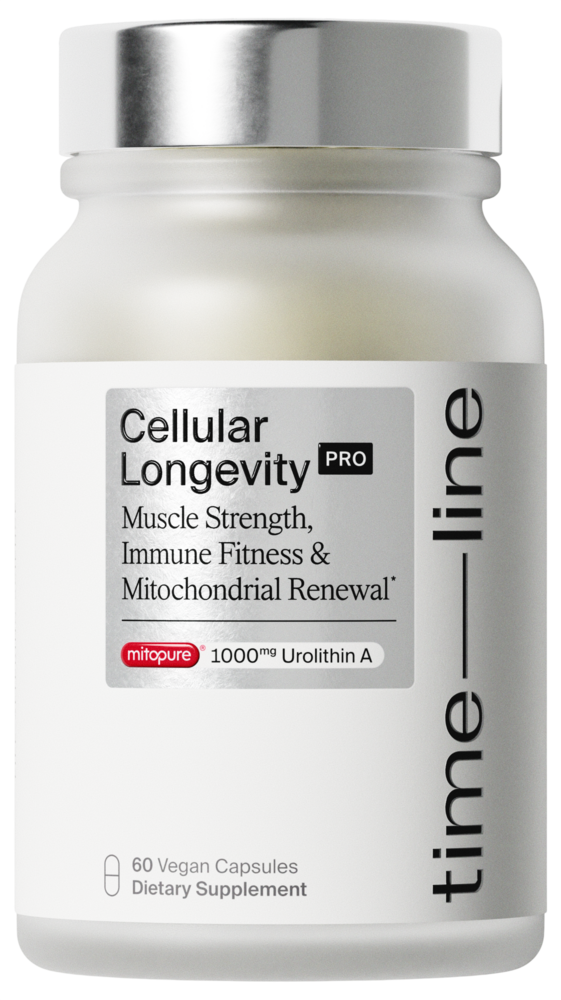
That's why we see Urolithin A as a powerful supporting player, rather than a substitute for exercise.
Combine it with:
Protein + Creatine + Strength Training + Daily Movement. and you're creating a much more complete muscle and cellular-energy strategy.
5. Sleep & Recovery: Where Optimization Actually Happens
More isn't always better.
More exercise. More supplements. More peptides. More biohacking. Your body still needs time to recover.
Quality sleep supports recovery, appetite regulation, training performance, mood and overall health.
A nighttime routine might including good sleep hygiene, and nutrients such as magnesium glycinate if dietary intake is inadequate.
Recovery days matter too.
If you want to perform better tomorrow, give your body the opportunity to repair itself today.
Step Two: Consider GLP-1 & Metabolic Therapy
Once the foundation is in place, GLP-1–based therapies can be powerful tools for appropriate patients struggling with overweight, obesity or related metabolic issues.
But we don't want GLP-1 therapy to exist in a vacuum.
We want it sitting on top of a strong foundation of nutrition, protein, muscle, movement and recovery.
Retatrutide: The Triple-Agonist Generating Attention
Retatrutide is especially interesting because it acts on three hormone receptors: GLP-1 + GIP + Glucagon
That distinguishes it from semaglutide, which primarily targets GLP-1, and tirzepatide, which targets GLP-1 and GIP.
The Phase 3 data reported in 2026 have been striking. In one pivotal obesity study, the highest retatrutide dose produced an
average 28.3% weight reduction at 80 weeks, while additional Phase 3 trials have reported improvements in weight and glycemic control.
Research has also reported improvements in obesity-related complications including knee osteoarthritis pain and obstructive sleep apnea.
Retatrutide remains investigational and is not currently FDA-approved. Lilly has said it plans to submit it for FDA review in 2027.
What About
Semaglutide
&
Tirzepatide?
These established GLP-based medications have changed obesity treatment.
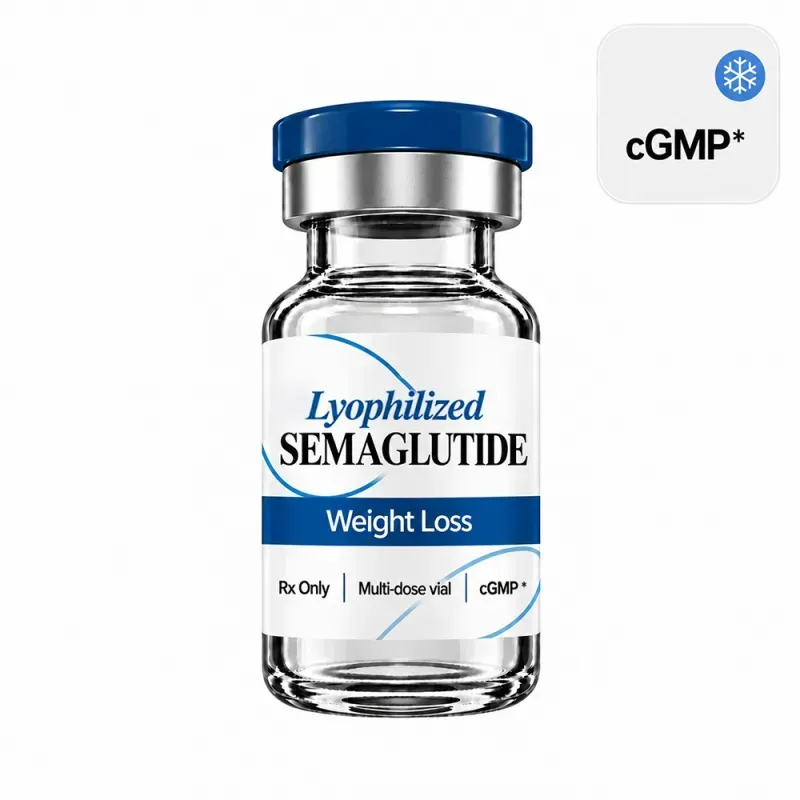
Semaglutide is a GLP-1 receptor agonist that can produce substantial weight loss and improve several cardiometabolic risk factors.
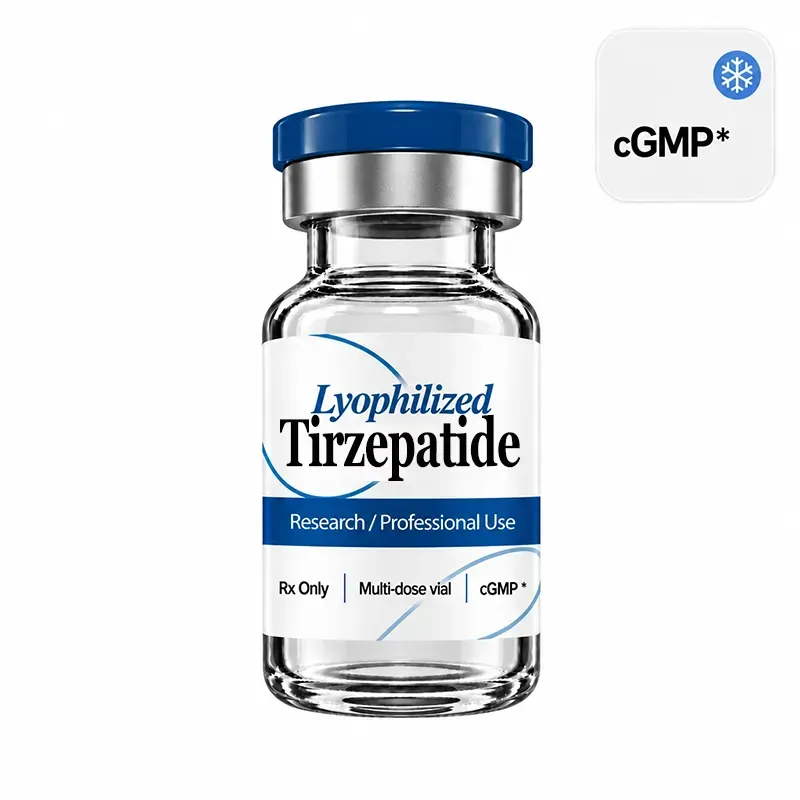
Tirzepatide targets both GIP and GLP-1 receptors and has demonstrated substantial weight reduction and improvements in cardiometabolic measures.
They may also improve markers such as glucose control, blood pressure, waist circumference and some lipid and inflammatory measures as weight and metabolic health improve.
And there is an important lesson about maintenance.
Trials with both semaglutide and tirzepatide have shown that significant weight regain can occur after treatment is discontinued, while continued treatment can help maintain weight loss and associated metabolic improvements.
That reinforces why we don't want medication to be the entire program.
Use the weight-loss window to build the habits, nutrition, muscle and strength that support long-term health.
Step Three:
Beyond Weight Loss—Skin, Joints & Recovery
Successful weight loss can create another challenge:
You may love the number on the scale but not love what happens to your skin.
Significant weight loss—and simply getting older—can contribute to changes in skin firmness and elasticity.
That's where GHK-CU has generated considerable interest.
GHK-CU: Skin & Tissue Support
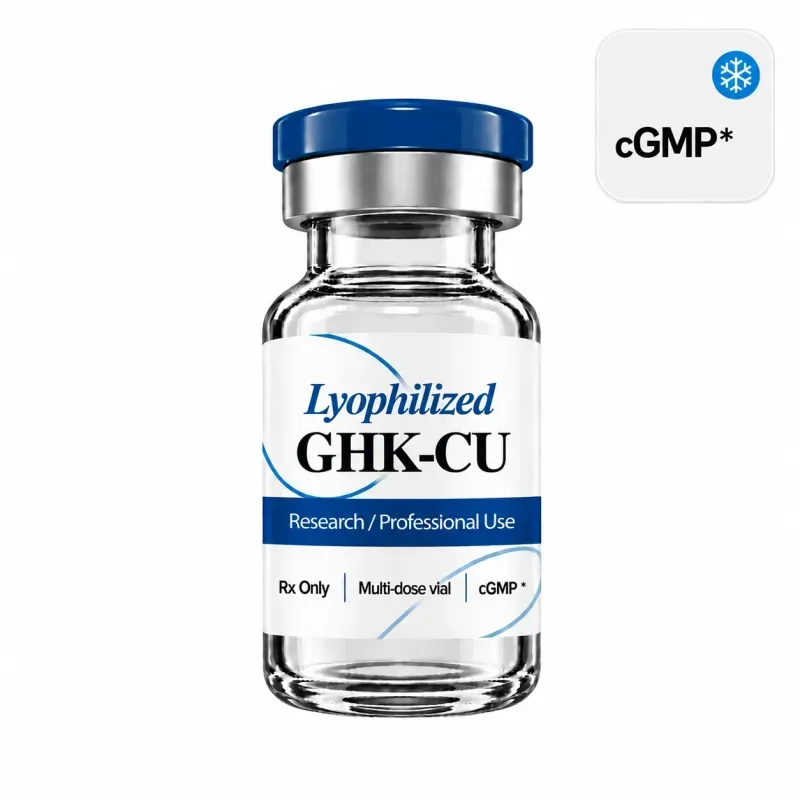
GHK-Cu is a naturally occurring copper-binding peptide involved in biological pathways related to collagen, tissue remodeling and repair.
Research is particularly interesting around skin quality, collagen and elastin biology, wound healing and tissue regeneration, although modern high-quality human clinical evidence remains limited, client reported experiences in clinics report significant skin quality improvements.
That makes GHK-Cu particularly interesting to explore in a broader healthy-aging strategy when your goals include:
Skin quality • Firmness • Recovery • Tissue health • Healthy aging
KLOW: A Multi-Peptide Recovery Concept
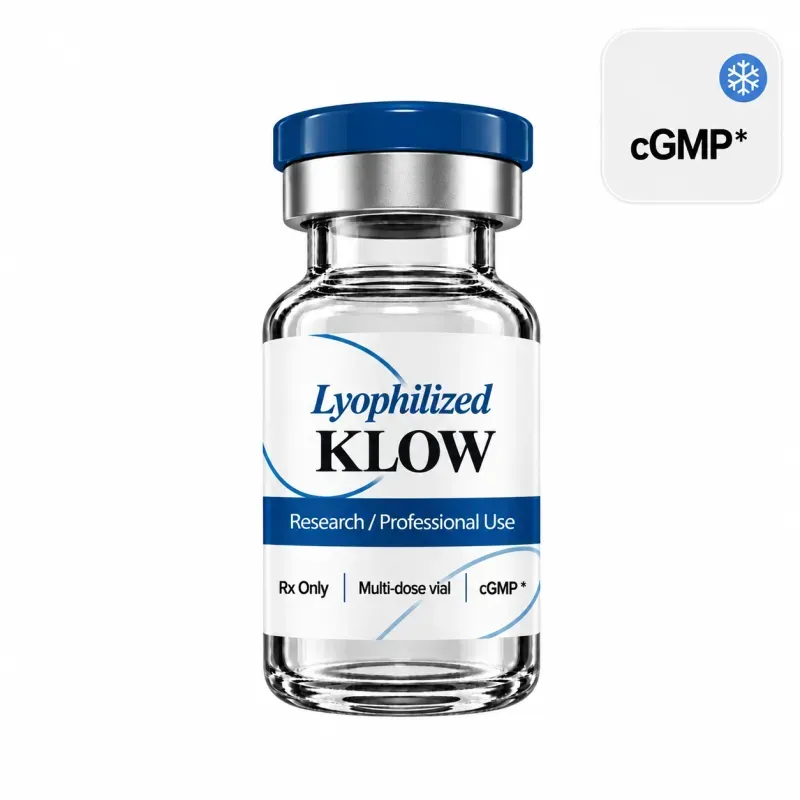
Some wellness programs also combine peptides into blends marketed under names such as KLOW, typically incorporating peptides such as GHK-Cu, BPC-157, TB-500 and KPV.
The concept is appealing: pair a metabolic strategy with additional attention to skin, connective tissue, joints and recovery.
However, this is an area where it's important to separate emerging science from established medicine.
Together, these compounds are being explored for their potential to support collagen and tissue remodeling, skin elasticity, joint and connective-tissue health, exercise recovery, gut health, and balanced inflammatory signaling.
This makes KLOW an
interesting complement to a broader body-composition program. While a GLPs may help address appetite, weight and metabolic health, KLOW takes a different approach—focusing on
how you recover, move and support your tissues as your body changes.
MOTS-C & SS-31: Looking Deeper at Cellular Energy
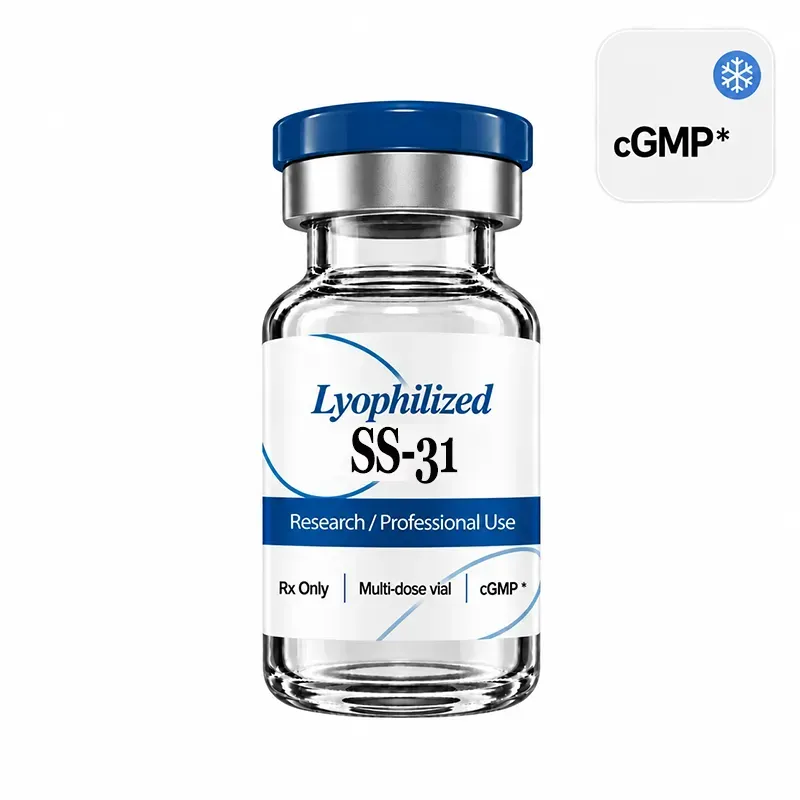
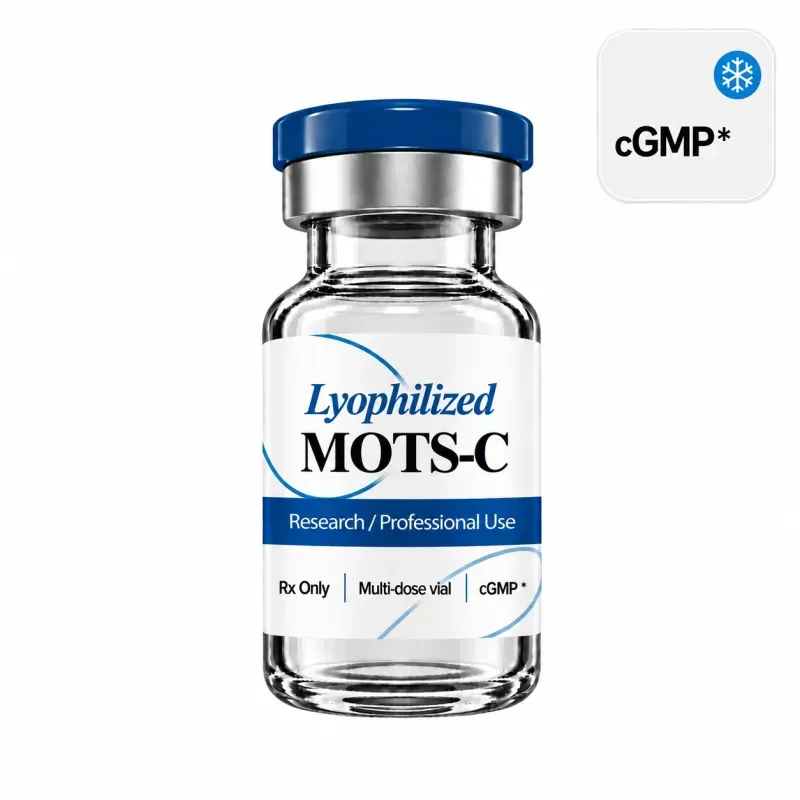
Two other names you'll increasingly hear in longevity conversations are MOTS-C and SS-31/elamipretide.
Both are associated with mitochondrial biology, which makes them particularly interesting as researchers investigate energy production, metabolic health, muscle function and healthy aging.
SS-31/elamipretide has actually been studied in human randomized trials involving mitochondrial function, including research showing effects on mitochondrial energetic capacity in older adults, although results across clinical populations and endpoints.
MOTS-C, nicknamed
"exercise in a bottle" is often used to increase exercise performance and recovery.
FDA reviewed MOTS-C in 2026 in the context of compounding, including proposed uses involving obesity and osteoporosis.
Build the Foundation.
Then Build the Stack.
The most exciting thing about personalized wellness isn't any single peptide.
It's the ability to think about your health as an interconnected system.
Start with your blueprint.
Build your foundation:
Nutrition
→
Protein
→
Creatine
→
Strength
→
Movement
→
Urolithin A
→
Sleep
→
Recovery
Then, when medically appropriate, consider the next layer:
GLP-1 / Metabolic Therapy
→
Skin & Tissue Support
→
Recovery Strategies
→
Mitochondrial Therapies
And continue to measure, adjust and personalize along the way.
The goal isn't to take the most supplements or build the biggest peptide stack.
The goal is to feel better, become stronger, improve metabolic health, protect your muscle, support recovery and build a body capable of carrying you well into the future.
Ready to Learn More?
Explore personalized wellness, genetic testing, supplements and educational information about peptide and metabolic-health options at:
Or explore our wellness products and educational resources at:
Discover • Personalize • Optimize • Thrive
This article is intended for educational purposes only and does not constitute medical advice. Selank and Semax are not FDA-approved in the United States for the treatment of anxiety, depression, ADHD or other psychiatric disorders. References to foreign registration, clinical use or published research should not be interpreted as establishing FDA approval, safety or efficacy for an individual patient.